 Mavi Kalem Sosyal Yardımlaşma ve Dayanışma Derneği Hayata Rengini Kat!
Our Projects – supporting women’s business start-ups and entrepreneurship, sustainable and clean farming practices for agricultural workers, understanding commercial regulations, and empowering women through solidarity- continue in Hatay.
As Women Access Income They Gain Strength In Production Methods, Marketing, And Commercial Legislation
In July 2025, two new projects began in Hatay with the goal of supporting women’s access to income and strengthening their resilience against poverty.
While the social devastation caused by the February 6, 2023 earthquakes has been gradually diminishing in the region, life in Hatay changed suddenly after the earthquakes. People lost their loved ones, homes, jobs, and the routines they were used to. Yet, amid all this loss, uncertainty, and devastation, women displayed great strength and resilience. As always, women became the pioneers of production, reconstruction, and restart.
With these observations and the inspiration we drew from women, we launched the “Women Access Income” program in August 2023. Within the program, we implemented various projects. In 2025, we are expanding the program’s impact to reach even more women through new initiatives.
“Hatay is Developing with Producing Women” Project
This project is directed toward women working in agriculture, those engaged in farming or animal husbandry, and women who process and sell their agricultural products.
Its main goal is to inform and support women so they can integrate an agroecological approach into their production processes. To this end, information meetings, social media campaigns, and videos will be used to promote sustainable farming practices among women producers.
The information meetings will be held together with experts and implemented by visiting women in their communities. Through these meetings, we aim to reach 100 women working in agriculture. Face-to-face meetings will ensure direct and effective communication.
Through social media campaigns, attention will be drawn to the importance of sustainable agriculture, its continuity, and the production of clean products.
Success stories of women in the project who reflect ecological farming practices in their work, along with information on how to access their products, will be shared both in social media campaigns and on our website kadinisi.org.
Additionally, 25 women will receive equipment support to help them practice sustainable farming and increase their income.
These 25 women were selected based on criteria such as being the main breadwinner for their children, being the primary income earner in their household, having started their businesses through their own initiative, or being single parents.
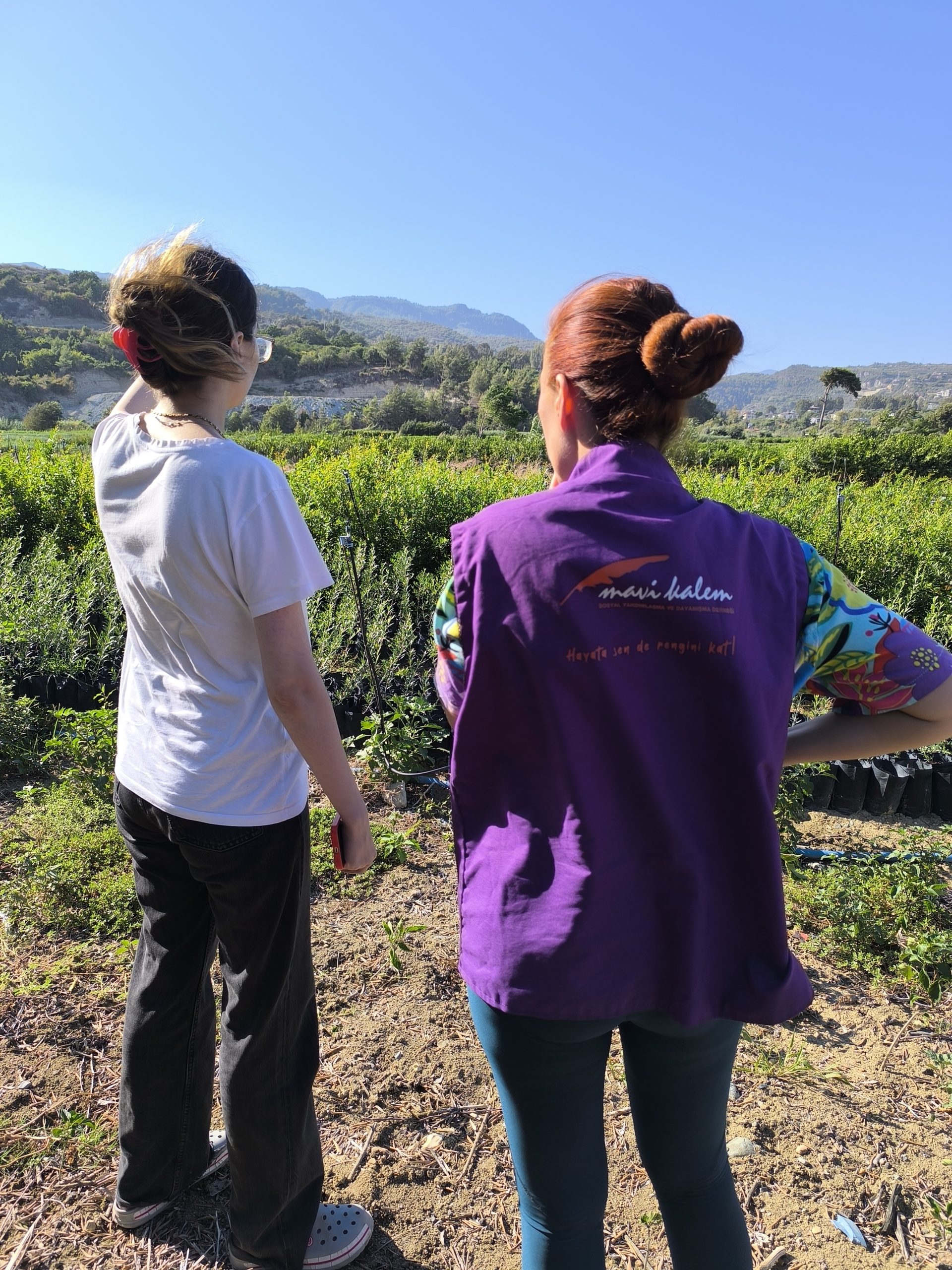
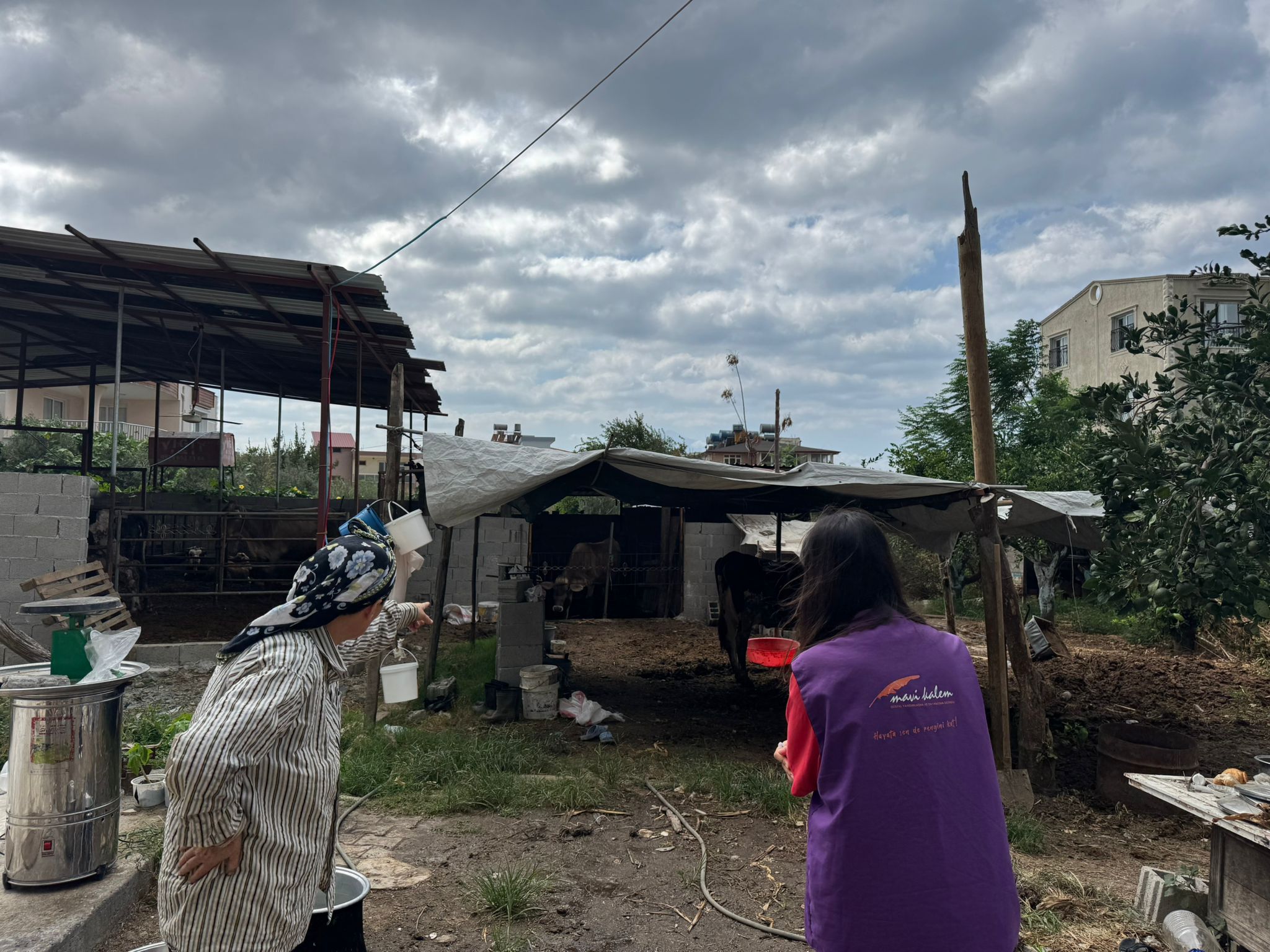
The call opened in July 2025 and closed in August and 142 women applied. After a preliminary assessment, 115 women remained on the shortlist for final evaluation. In September and October 2025, we visited these 115 women at their production sites to gather information and assess their conditions.
One striking finding from these visits was that almost none of the women owned the land they cultivated. The production areas were mostly registered under their family members or husbands. This reveals that despite being the main labor force in production, women often do not hold property ownership.
Most women cannot sell their products directly to consumers. They are forced to sell through intermediaries, which means a significant portion of their income goes to middlemen. Very few women sell their products directly in markets, and those who do are usually engaged in small-scale, garden-based production.
In matters such as what to plant, where to sell, and to whom, the final say often belongs to the men in the household. The income earned is generally spent jointly on household needs. This prevents women from having full control over the income they earn through their own labor. In larger-scale production, men in the family become the decision-makers, whereas in smaller-scale production, women have more autonomy.
Women engaged in animal husbandry usually sell products like milk, cheese, and eggs to their local communities or nearby markets daily. However, they also face challenges in accessing production tools. Most of them milk manually, use hand churns, and produce with traditional methods. This not only causes health problems but also prolongs and intensifies their workload.
Women in agriculture struggle structural barriers besides economic ones. Their labor remains invisible, and the combination of household responsibilities and production burdens puts additional pressure on them. Nevertheless, most women see production not merely as a way to earn income but as a struggle for economic empowerment.
Hatay is Developing with Producing Women Project, supported by Croda Foundation includes awareness-raising activities, equipment support for 25 women, and the creation of a solidarity network for women’s empowerment.
In October 2025, the final selection of 25 women from the 115 candidates was completed after evaluation by an independent committee. The delivery of materials is planned for November 2025.
From Crisis to Development: Women Reproduce
This project targets women who have established or are developing their businesses. It aims to support their access to the information they need to grow their enterprises. This access will be provided through two channels.
The first is a consultation hotline. Women who call the hotline will receive answers to their questions on marketing, legal, and financial matters. Additionally, through upcoming webinars, they will meet experts on topics such as marketing, product promotion, communication, and online sales, allowing them to gain knowledge and find solutions to their questions. In this way, 300 women will be supported to access information and improve their businesses during the project period.
Social media campaigns will enhance the visibility of women producers and support their participation in the economy. The products and services of participating women, along with their business stories, will be featured on social media and on kadinisi.org, helping expand their sales networks.
Two-stage equipment support will be provided, covering 30 women in Hatay who have started or are developing their own businesses. The first group of 20 women includes those working independently from home or in small-scale workplaces, while the second group of 10 women includes those who have formalized their businesses and employ another woman.
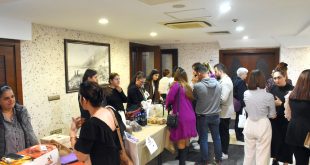
Gender equality-focused solidarity meetings will be organized for the 30 participating women. These gatherings will enable them to connect with other women who have also established businesses and faced similar social barriers, helping them develop collective solutions. Supported by Turkish Philanthropy Funds & CDP, the women in this project will also become part of a broader solidarity network.
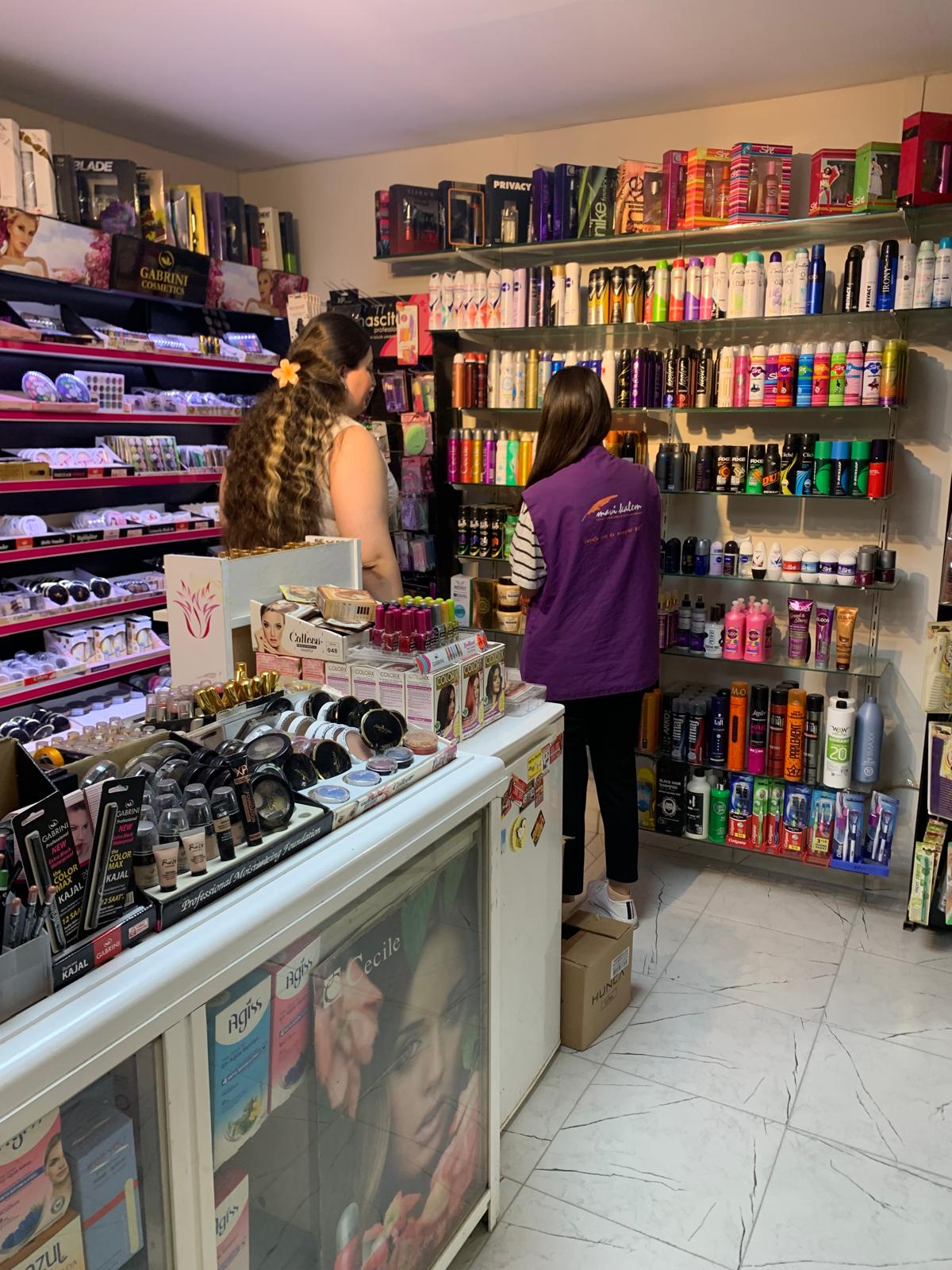
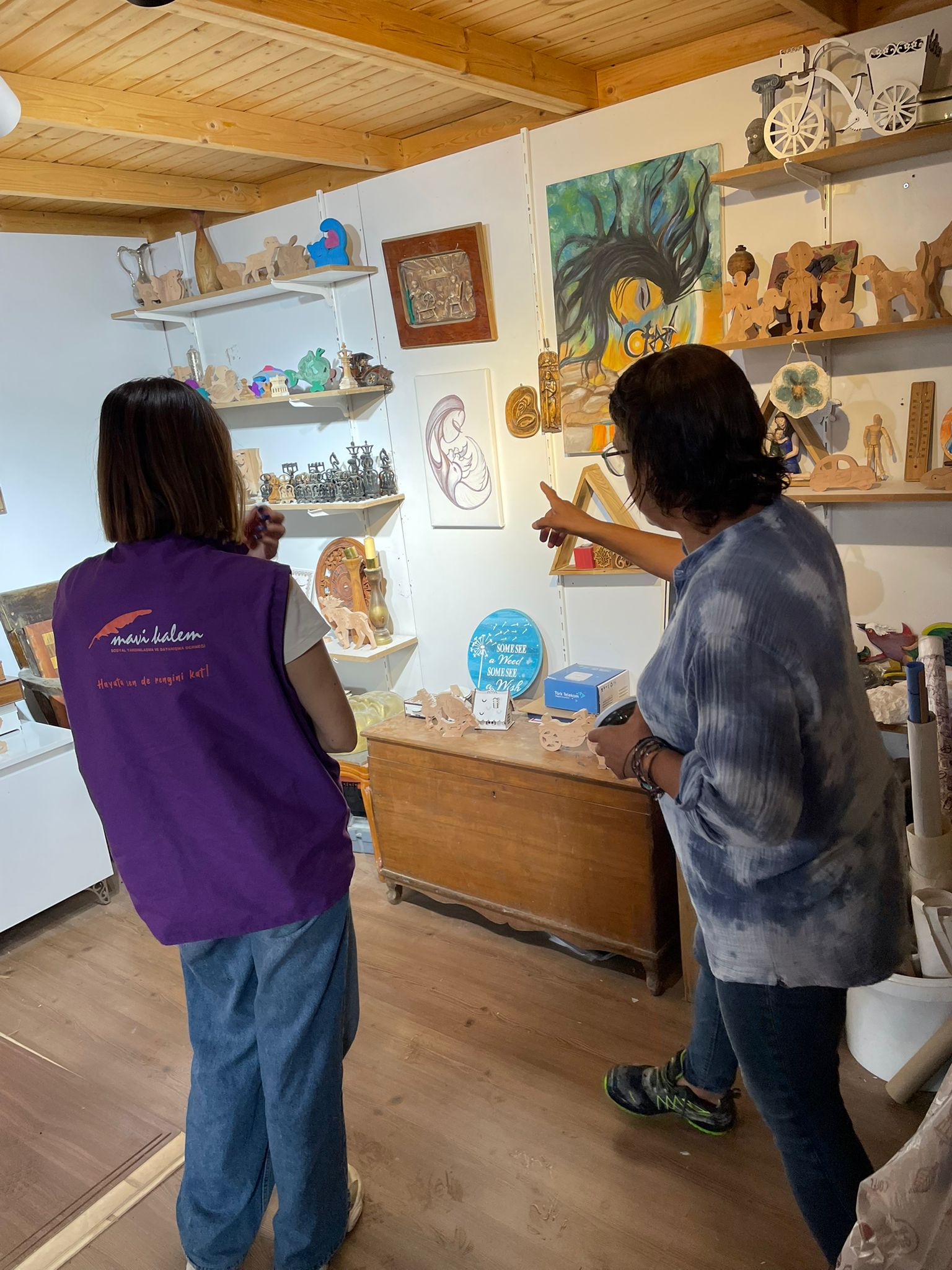
The call for equipment support opened in August,2025 and 95 women applied. After preliminary evaluation, 78 women were shortlisted and interviewed face-to-face. During these meetings, we discussed their working conditions and needs for business development.
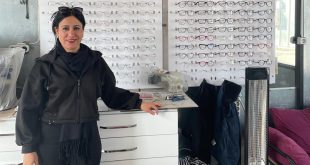
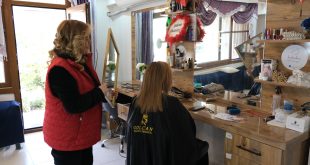
The professional diversity among the applicants was quite striking: There were women working in a wide variety of fields, from hairdressing to traditional product production, from security systems installation to the care sector. Women aims not only to improve their current businesses but also to enhance their visibility and strengthen their market access.
Many expressed their desire to bring their small enterprises to digital platforms and increase their visibility on social media. One of their greatest needs is digital marketing knowledge and guidance. Another recurring theme in these conversations was that production is not only an economic activity for women but also a source of confidence, identity, and resilience.
In October 2025, 20 women were selected from among the 78 candidates following evaluation by an independent committee. The delivery of tools, equipment, and materials to the selected women is planned for November.
A shared sentiment among women in both project groups was clear: the desire to stand on their own feet! Women continue to produce to sustain their households, secure their children’s futures, and make their own decisions. They need access to knowledge, mentorship, and a sense of group identity. This shows how essential social solidarity networks are for women’s empowerment—not only economically but socially as well.
These meetings provided strong insights into which areas women need support as they rebuild their lives through production. Women continue to produce—but for their production to be sustainable and lasting, they need access to both material resources and knowledge and visibility. The Women Access Income program continues to evolve based on these observations, standing beside women to ensure they are empowered not only in production but also in decision-making processes and within their communities.